Confirm what the visit is intended to do
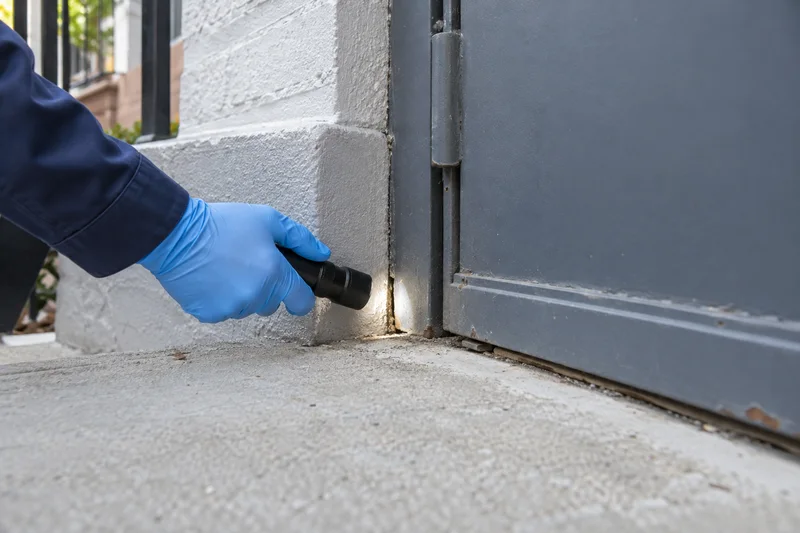
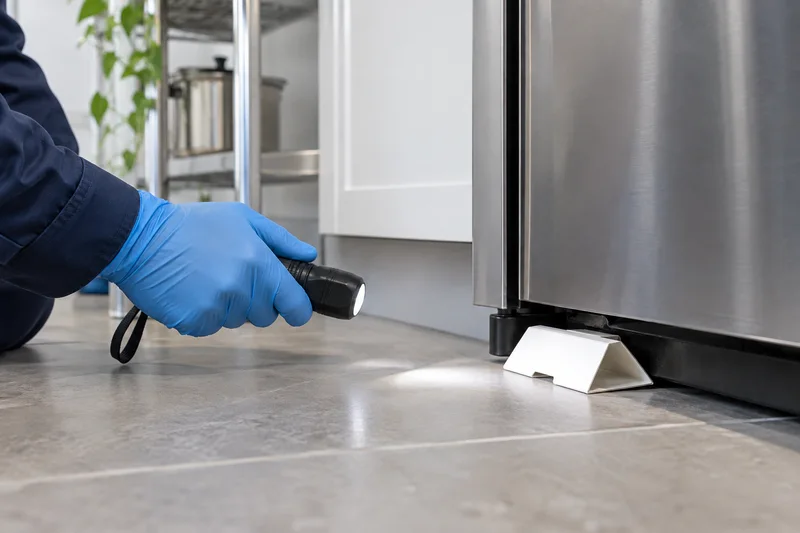
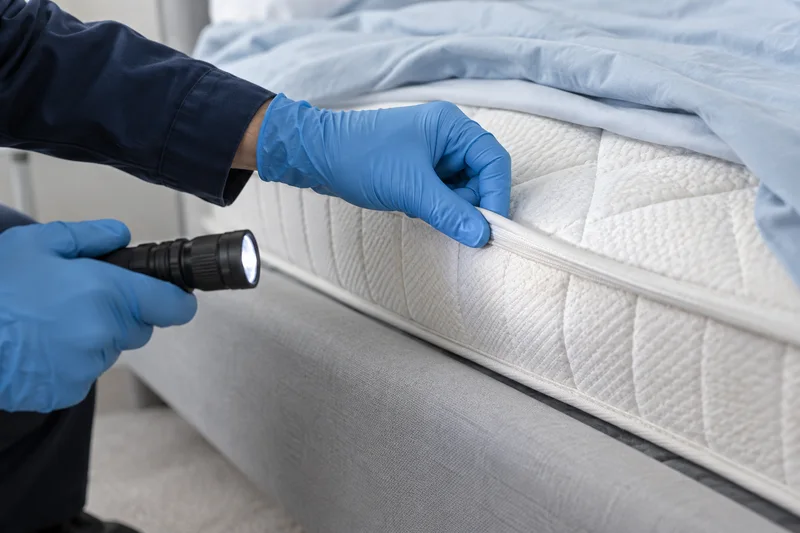
Ask whether the appointment is for identification, an inspection, treatment or a follow-up. Those are not the same visit. Describe the physical evidence you have and where it was found; skin marks alone do not establish bed bugs. If more than one sleeping space may be involved, mention each one so the proposed assessment is clear before anyone begins moving belongings.
Get the actual preparation sheet
Do not assemble a preparation plan from unrelated online checklists. Ask the provider for instructions matched to the proposed work, including what should stay in place, what needs access and how belongings should be handled. EPA guidance cautions against moving items from an affected area into an unaffected one. If an instruction is unclear or cannot be followed because of mobility, space or household needs, raise that before the appointment.
Coordinate people and belongings
Identify who will share the instructions with everyone using the rooms. Ask about residents, pets and any time away from the area that may be required for the chosen work. Discuss the route through common hallways if items must be moved. Do not assume a new mattress, a room emptied in advance or bags left in a corridor resolve the concern. The provider needs to explain the agreed preparation and its purpose.
Know what happens after the visit
Ask what written findings or instructions you will receive and whether another check is included. Clarify how to report later evidence and when to make contact. Keep the appointment details and the preparation sheet together so you can refer to them. This article is a guide to the booking conversation, not a substitute for the instructions supplied for your property and treatment.