Begin with what you can actually see
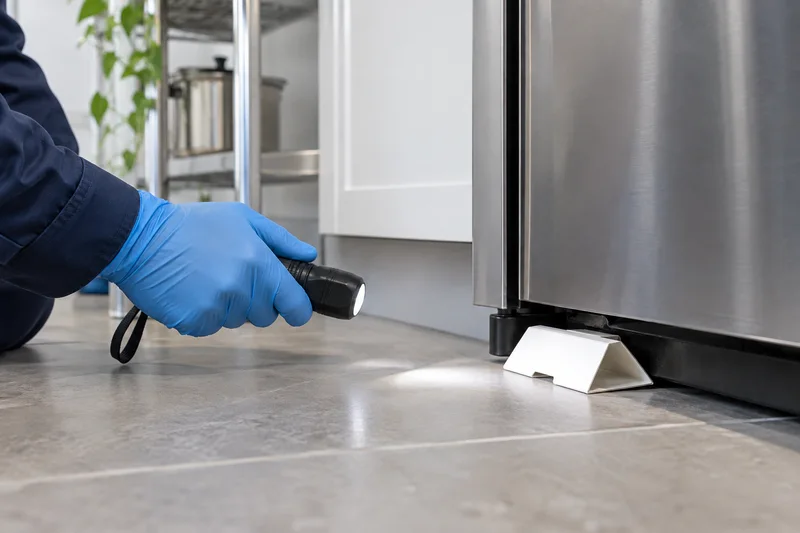
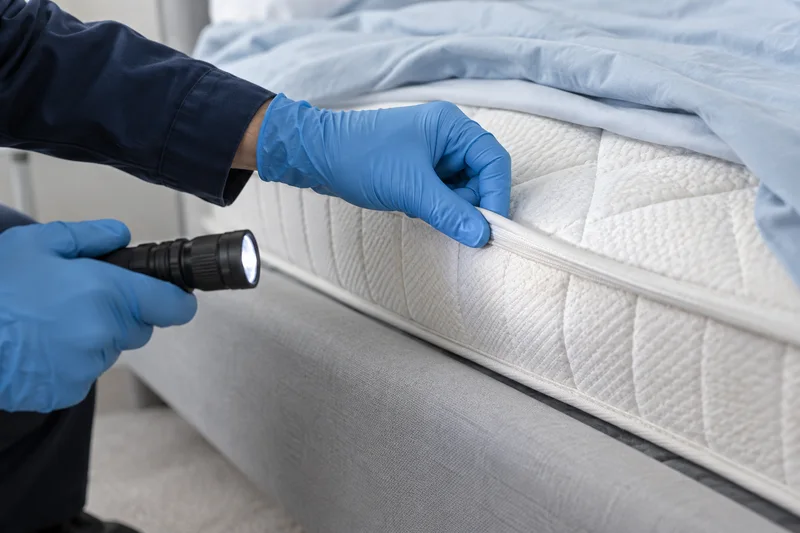
A mouse crossing the cellar floor, damage to a bag and a sound behind a wall are three different observations. Write each one down with the date and location. Avoid turning a sound into a species identification or assuming every mark is new. If a photograph is already possible from a safe, accessible position, keep it with the record. You do not need to enter a restricted cellar or dismantle a cabinet to make a useful enquiry.
Make a simple room-by-room record
Use ordinary room names: rear cellar door, front storage area, kitchen cabinet. Note whether the evidence has appeared once or repeatedly. If another resident reports a sighting, label it as their report rather than something you observed. This gives the service contact a clearer account of what is known and what still needs checking. Include which levels of the building are occupied and whether they have separate entrances.
Ask where pest work ends and repair work begins
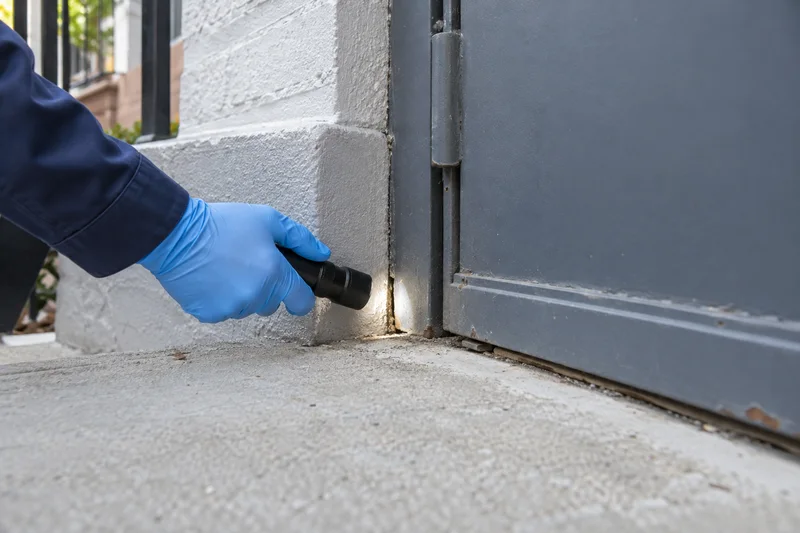
A visible opening is a useful detail, but it is not proof that it is the only entry point. Ask whether accessible thresholds and utility openings will be assessed. Then ask which repairs, if any, are included in the quote. Rebuilding a damaged door, repairing plumbing and carrying out pest-control work may involve different people. Keep the owner or building contact involved where permission is needed.
Agree how to report later activity
Before booking, ask what findings you will receive and whether monitoring or a return visit is part of the proposal. Find out who to contact if you see fresh evidence after the work. A short dated record is easier to compare than a general impression that the problem feels better or worse. NYC Health’s building guidance also explains why maintenance and pest management need coordination.